WSAVA 2025 World Congress
Setting a new benchmark for sustainability in global veterinary meetings
A joint case study by WSAVA and Kenes Group

Objectives and Goals
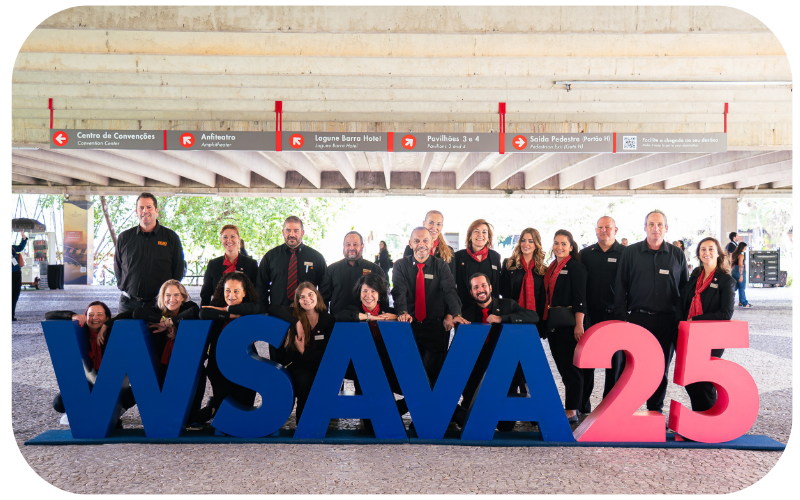
As the World Small Animal Veterinary Association (WSAVA) prepared to celebrate its 50th World Congress in Rio de Janeiro in September 2025, both WSAVA leadership and Kenes Group saw this milestone as more than an opportunity for scientific exchange. It was a chance to demonstrate the veterinary community’s deep connection to the health of animals, humans, and the planet. While WSAVA had previously taken steps toward more responsible event practices, this was the first time the congress underwent a comprehensive sustainability and impact assessment.
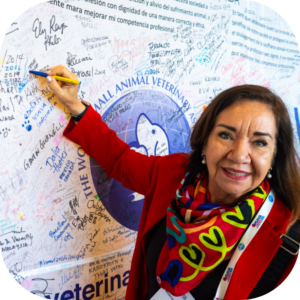
The initiative was guided by four primary objectives. First, sustainability had to be embedded across the entire event: education, operations, exhibition, and catering. Second, WSAVA committed to measuring its full carbon footprint for the first time, creating a benchmark for all future congresses. Third, the event aimed to align meaningfully with the UN Sustainable Development Goals. Finally, the congress sought to inspire delegates, exhibitors, partners, and suppliers to adopt sustainable habits that would extend beyond the event.
For Kenes and WSAVA, this project reflected shared values. With over five thousand participants expected from nearly one hundred countries, the congress represented a powerful platform to influence behaviour and spark industry-wide change. Success was defined not only by measurable environmental indicators such as emissions, waste, and energy use, but also by the impact of visible, relatable initiatives and the publication of the first WSAVA Congress sustainability report. The goal was to ensure that participants left Rio with new knowledge and a renewed commitment to sustainability.
Challenges and Problems
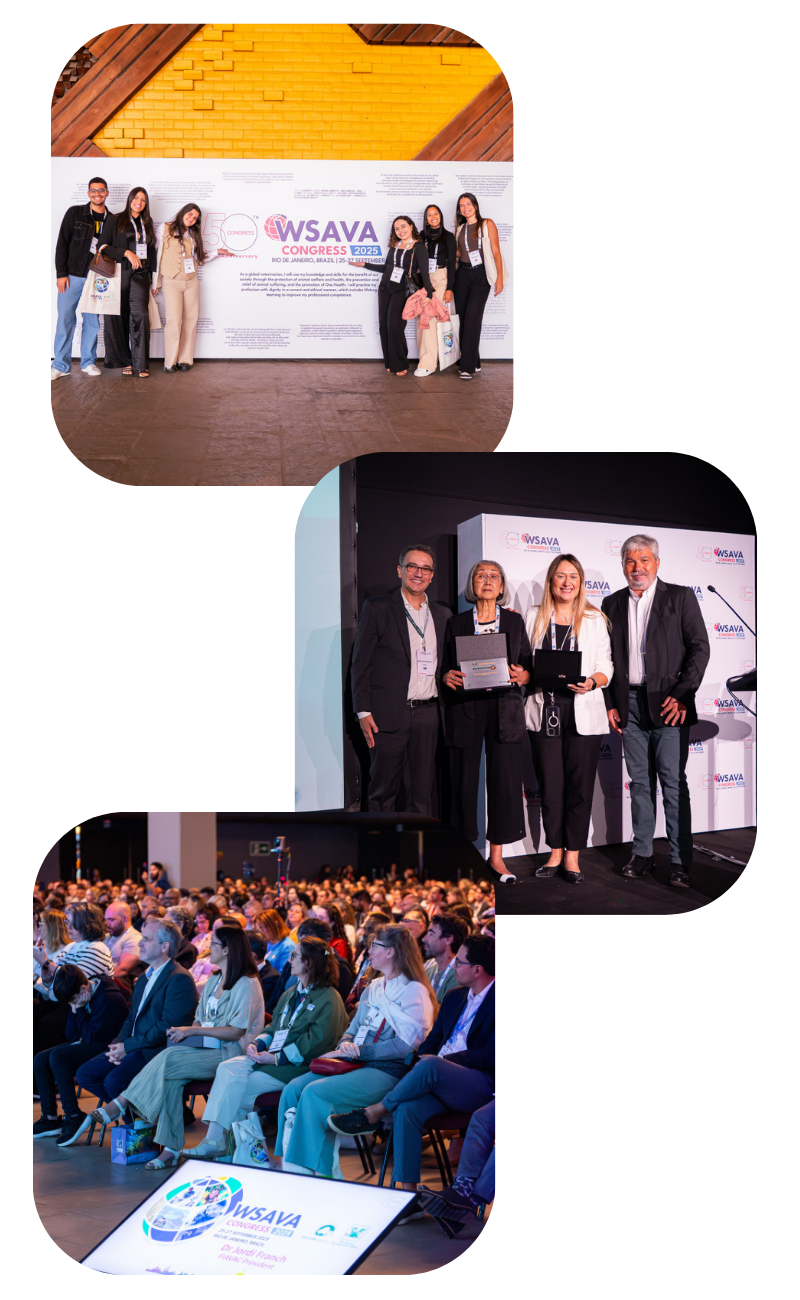
The scale and global reach of WSAVA 2025 made the sustainability mission both urgent and complex. Air travel emerged immediately as the dominant challenge. With 5,245 participants arriving from around the world, flights were projected to account for nearly ninety-five percent of total emissions. This significant impact was largely outside the organisers’ control, making it the most difficult sustainability issue to tackle.
Measuring the congress’s carbon footprint for the first time also posed challenges. Collecting Scope 1, 2, and 3 data required collaboration with delegates, hotels, suppliers, the venue, and exhibitors, many of whom had never been asked to provide this information before. Ensuring accuracy and consistency in reporting was a learning process shared by all stakeholders.
Waste management flagged another concern. Initial estimates showed WSAVA Congress generated more waste per participant than comparable events – a finding that demanded transparency and a hard look at long-standing operational routines. Stakeholder engagement presented perhaps the most nuanced challenge. Exhibitors and suppliers were at vastly different stages of sustainability adoption. Encouraging practical changes, reduced printed materials, digital signage, and reusable booth components required persistent communication and a cultural shift.
The veterinary congress environment added a layer of complexity. Delegates traditionally expect conference bags filled with inserts, samples, and giveaways, many plastic-based. Sponsors come prepared to meet this expectation with high volumes of promotional materials and dedicated staff.
WSAVA responded with targeted outreach to exhibitors: reduce giveaway quantities and, where materials are necessary, prioritise recycled and recyclable options. Progress continues, but this marked an important first step in shifting expectations.
These challenges were identified early through open dialogue with partners, benchmarking against comparable events, analysis via the Trace platform, and alignment with the UN Sustainable Development Goals – transforming obstacles into a roadmap for measurable improvement.
Solutions and Approach
Rather than treating their challenges as roadblocks, WSAVA and Kenes saw them as an opportunity to reimagine what a sustainable congress could look like. Their strategy centered on three pillars: reducing environmental impact, strengthening social responsibility, and building a foundation of transparency and accountability.
The environmental strategy began with measurement. For the first time, the congress committed to tracking its complete carbon footprint using the Trace platform, creating a data-driven baseline. This informed targeted interventions: awareness campaigns to help delegates understand their travel footprint, goals to promote direct flights and public transportation, and exploration of sustainable travel grants for future editions.
The waste reduction strategy embraced a zero-waste mindset across all touchpoints. The plan eliminated single-use materials wherever possible, prioritised reusable and compostable alternatives, and designed catering around minimal waste: whole fruit instead of pre-cut portions, expanded plant-based menus, and integrated composting infrastructure. Even the congress mini-book was reimagined as an interactive element, with delegates invited to fold pages into origami as a creative prompt for reuse.
Social responsibility was woven into the strategic framework as an equal priority. WSAVA committed to improving accessibility through AI-powered session summaries, making scientific content available to broader audiences. A partnership with exhibitor VETNIL anchored a pet food drive supporting local communities. Well-being initiatives connected personal health with collective impact.
Underpinning all of this was a commitment to transparency. WSAVA pledged to document outcomes in an inaugural sustainability report, establishing accountability mechanisms that would guide continuous improvement for future congresses.
Through this integrated approach, WSAVA Congress 2025 positioned sustainability not as a single environmental goal, but as a holistic framework encompassing ecological stewardship, social inclusion, and community well-being.
Execution and Implementation
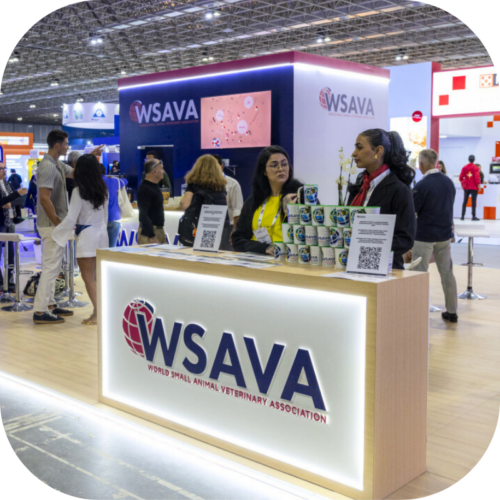
Turning strategy into reality required sustainability to be embedded into every operational layer of the congress. From the earliest planning stages, Kenes worked closely with the venue, caterers, suppliers, and exhibitors to implement low-impact solutions across all touchpoints.
The zero-waste strategy came to life through deliberate material choices. Carpets were eliminated from the exhibition hall. Cut flowers were replaced with rented plants that could be returned and reused. Composting and recycling stations were integrated directly into the venue layout, making sustainable disposal the default option rather than an afterthought.
Catering operations shifted to execute the plant-forward menu strategy, serving whole fruit to eliminate packaging waste and expanding vegetarian and vegan options. The mini-book’s origami activity transformed a passive printed program into an interactive engagement tool, reinforcing the reuse message in a tangible, memorable way.
One of the most significant operational shifts was the move to digital e-posters. The change required higher upfront investment in screens and digital infrastructure, but it eliminated thousands of printed posters and streamlined logistics. E-posters were simultaneously loaded into the event app, giving delegates on-demand access to scientific content before, during, and after the congress, turning a sustainability measure into an accessibility enhancement.
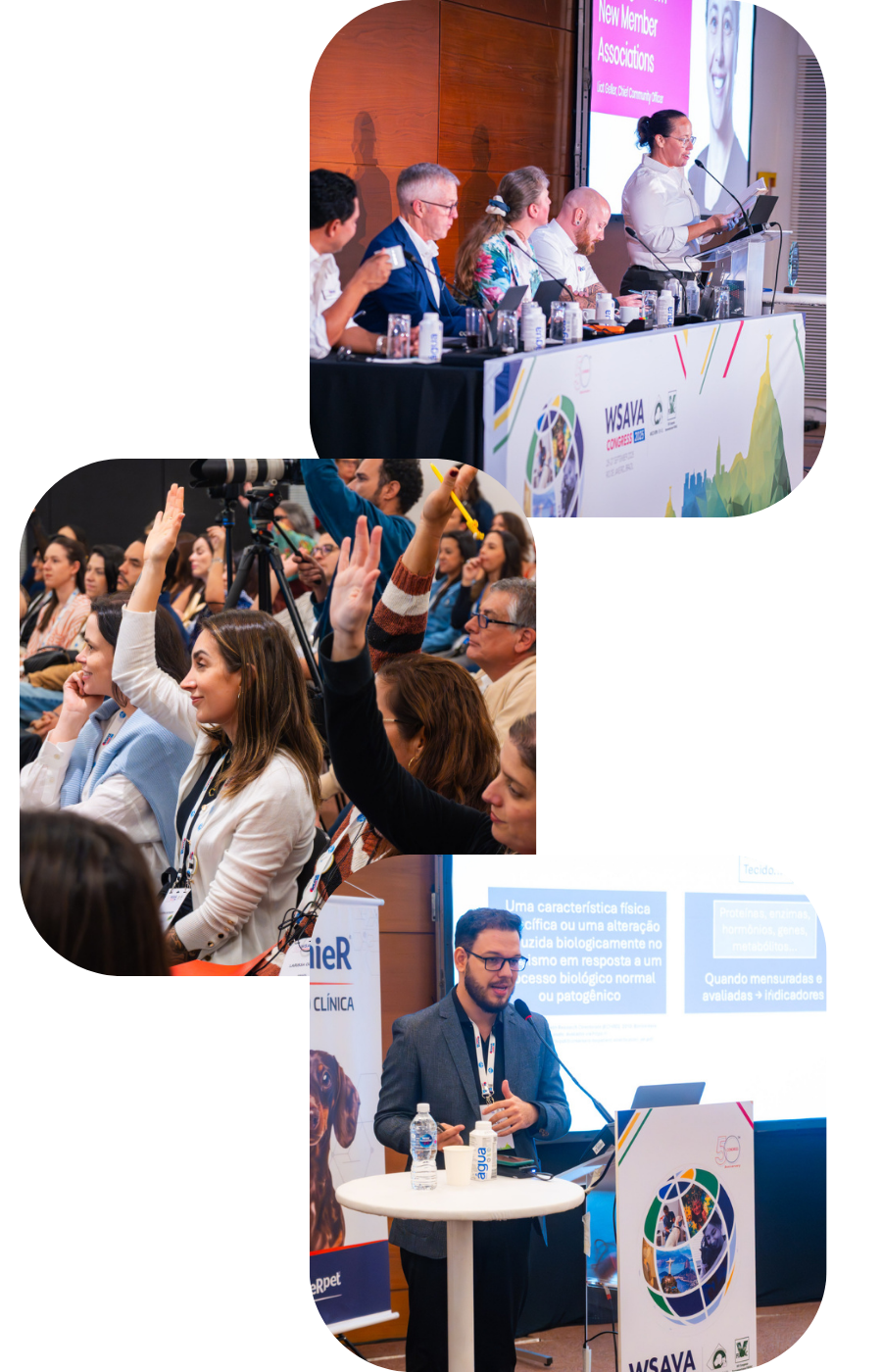
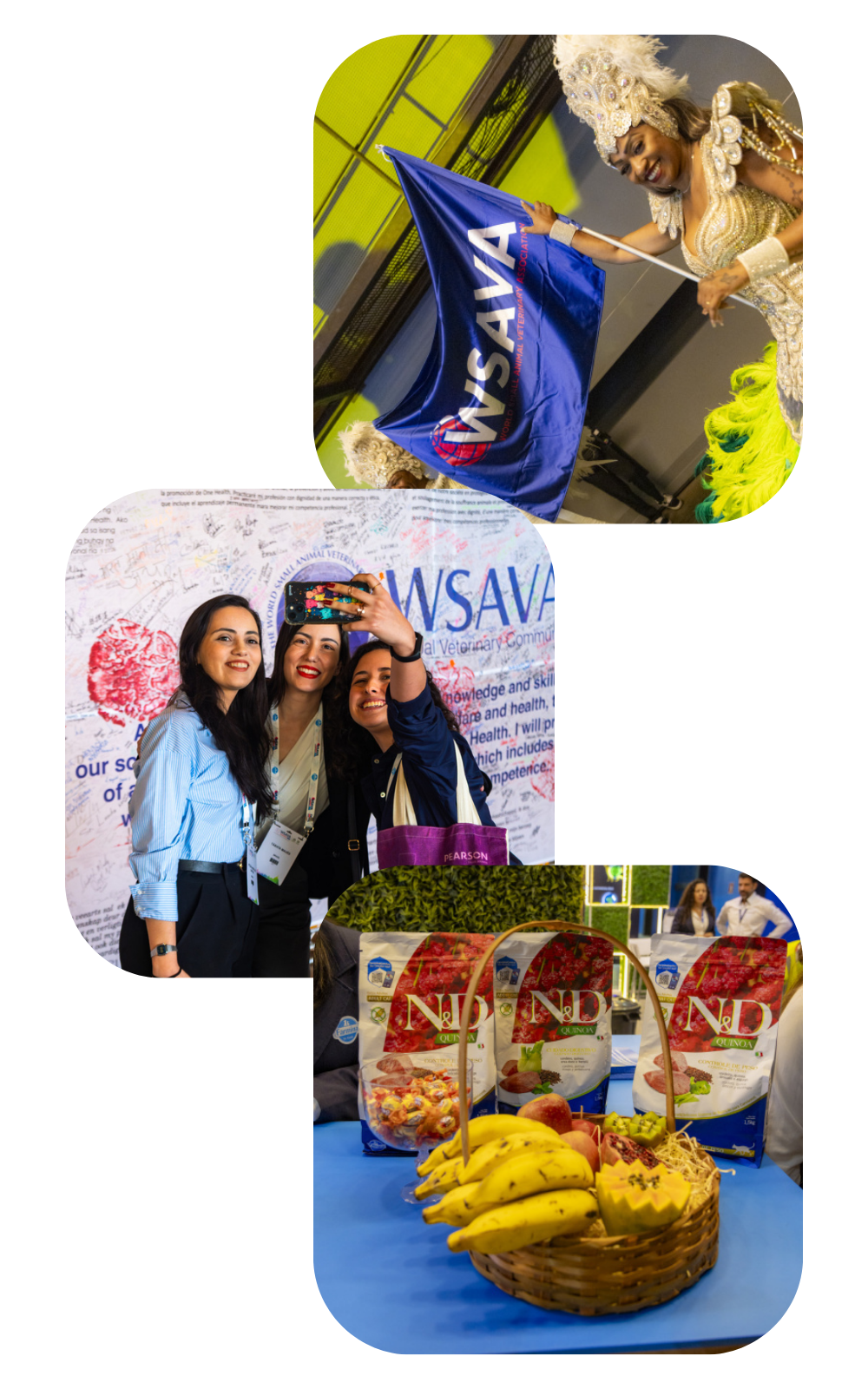
The social responsibility initiatives took concrete form through operational partnerships. Working with exhibitor VETNIL, the congress set up collection points that ultimately gathered over 7.5 tons of pet food for distribution to local communities. AI-powered summaries were integrated into the session delivery workflow, making scientific presentations more accessible in real time.
Well-being programming was executed through scheduled activities: a paid Zumba class (with fees channeled to Pro Salus – an international veterinary non-profit), a congress-wide step challenge tracked through the app, and designated family-friendly spaces throughout the venue.
Throughout the event, awareness messaging appeared in delegate welcome videos, app push notifications, the mini-book, and exhibitor briefings, ensuring participants understood not just what was happening, but why it mattered.
Behind the scenes, measurement tools maintained transparency and accountability. The Trace platform tracked emissions data in real time. Waste, energy, and accommodation data flowed through partnerships with hotels and suppliers. Engagement metrics, participation in well-being sessions, app-based challenge completions, and e-poster views revealed how sustainability initiatives resonated with attendees.
All findings were documented in the inaugural WSAVA Congress 2025 Sustainability Report, translating operational execution into transparent, shareable outcomes that would inform future improvements.
Outcomes and Results
WSAVA Congress 2025 achieved several milestone accomplishments. The congress measured its full carbon footprint for the first time, establishing a comprehensive baseline of 5,173.64 tCO₂e. Benchmarks were created for waste, energy, and emissions per participant, providing critical data to guide future sustainability efforts and long-term improvement.
Operational sustainability measures were successfully implemented across the event, including a no-carpet exhibition hall, an expanded composting program, rented greenery, reduced printed materials, whole-fruit catering, and a noticeable reduction in single-use plastics. Social impact was equally embedded in the congress experience, gender equality achieved among speakers, accessible content formats introduced, and dedicated family-friendly facilities that supported inclusivity and well-being.
Sustainability and well-being were fully integrated into both the program content and delegate engagement. Participants actively took part in initiatives such as the step-count competition, Zumba classes, and the origami reuse activity, reinforcing the connection between environmental responsibility, personal health, and behavioural change. These activities demonstrated that sustainability was not an add-on, but a lived experience throughout the congress.
Overall, the initiative met and exceeded its original objectives by aligning closely with the UN Sustainable Development Goals, raising awareness across all stakeholder groups, establishing clear reduction strategies, and delivering the first Sustainability Report for a WSAVA Congress.
The WSAVA 2025 World Congress shows that meaningful sustainability in events is achievable when organisations embrace innovation, transparency, and collaboration.
Conclusion
The WSAVA 2025 World Congress proves that meaningful sustainability in events is entirely achievable. The project demonstrated that progress does not require perfection; small steps significantly reduce environmental impact.
Data proved essential, providing the foundation for long-term improvement. At the same time, WSAVA Congress broadened the definition of sustainability to include inclusivity, social responsibility, and community well-being. Engaging delegates through interactive and accessible initiatives made sustainability both memorable and actionable.
This case study illustrates how a global veterinary event can become a catalyst for environmental stewardship, responsible practices, and shared values. WSAVA and Kenes have set a new benchmark for future congresses and created a model that can be replicated across the industry.
Social Links
WSAVA website: https://wsava.org/
WSAVA congress: https://wsava-congress.org/
LinkedIn: https://www.linkedin.com/company/world-small-animal-veterinary-association/
Instagram: https://www.instagram.com/wsava_vets/
Facebook: https://www.facebook.com/WSAVA/