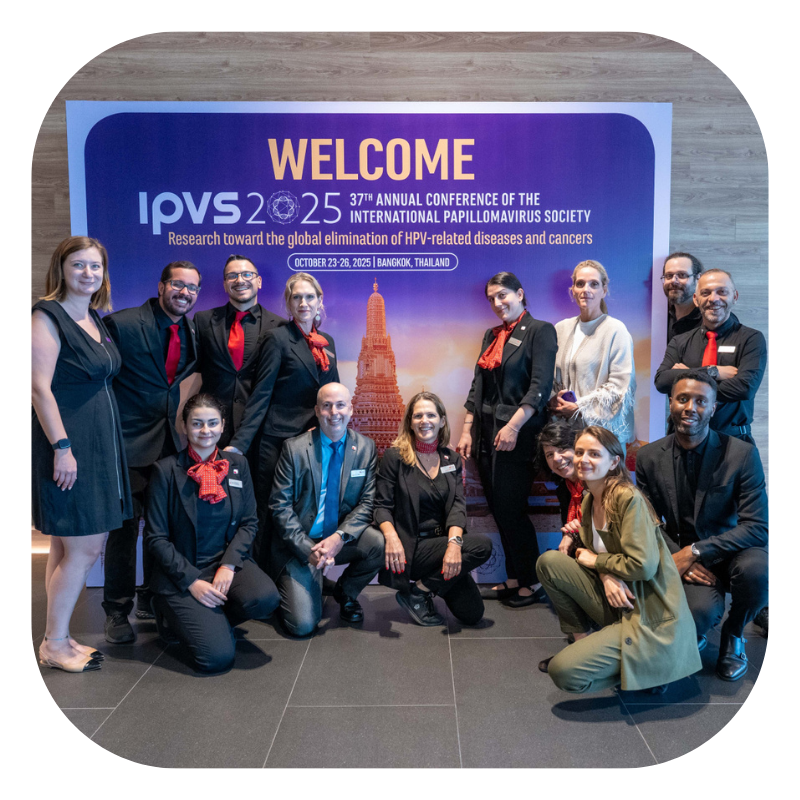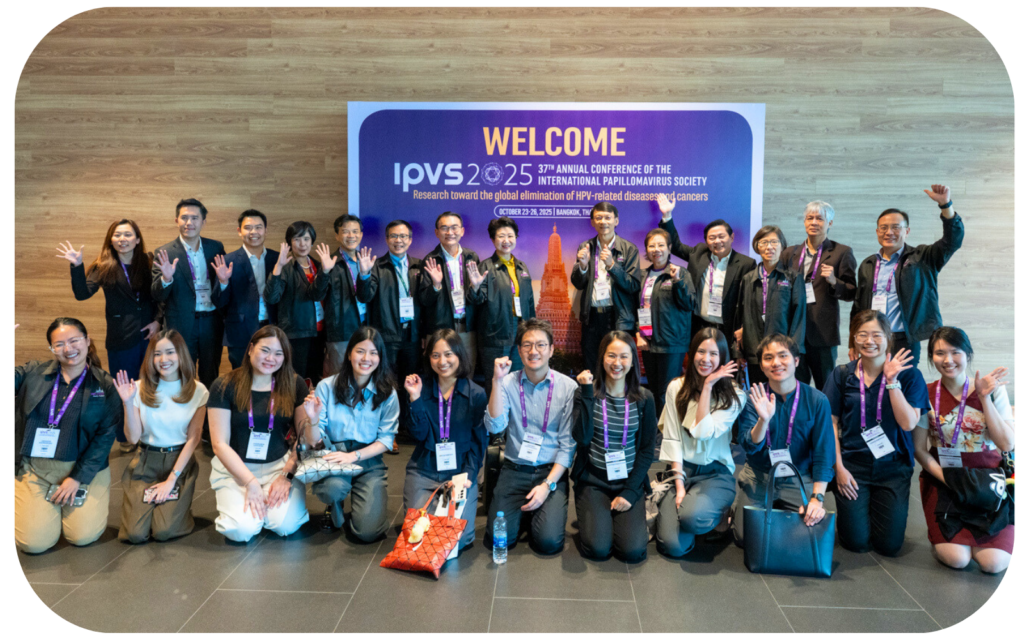
The International Papillomavirus Society (IPVS) faced a familiar challenge: building stable, diverse membership that reflects the geographic breadth of the field. Between 2022 and 2025, IPVS implemented a comprehensive strategy combining tiered pricing, regional ambassadors, and early-career support.


Background and Objectives
As a global scientific society dedicated to advancing papillomavirus research, the International Papillomavirus Society (IPVS) depends on a strong, diverse, and engaged membership base. In recent years, IPVS experienced significant fluctuations in membership numbers, particularly between conference and non-conference years, alongside uneven regional representation and limited engagement from early-career researchers and students.
To address this, IPVS launched a multi-year membership growth initiative with clear objectives. The Society aimed to achieve steady year-on-year membership growth while maintaining representation from approximately 100 countries worldwide. Particular emphasis was placed on strengthening participation in underrepresented regions, especially Africa, Asia, and Latin America, where IPVS believes its work is most urgently needed. At the same time, the initiative sought to ensure balanced representation across scientific disciplines, including basic science, clinical research, public health and implementation science, and to grow membership among early-career researchers and students to secure the Society’s future leadership pipeline.
Success was defined not only by growth in total membership, but also by improved retention, broader geographic reach, stronger early-career engagement, and sustained diversity across scientific fields and governance structures.
Challenges Identified
At the outset, IPVS faced several structural challenges. Membership numbers were closely tied to conference cycles, leading to peaks during event years and declines in between. Regional representation was uneven, with Africa, Asia, and Latin America significantly underrepresented despite being priority regions for disease prevention and research impact. Financial and access barriers further limited participation from low- and lower-middle-income countries. Engagement among early-career researchers and students was inconsistent, particularly outside conference years.
These challenges were identified through detailed analysis of membership data, renewal statistics, conference participation metrics, and direct feedback from members and committees. Together, the insights highlighted the need for a more stable, inclusive, and regionally responsive membership model.
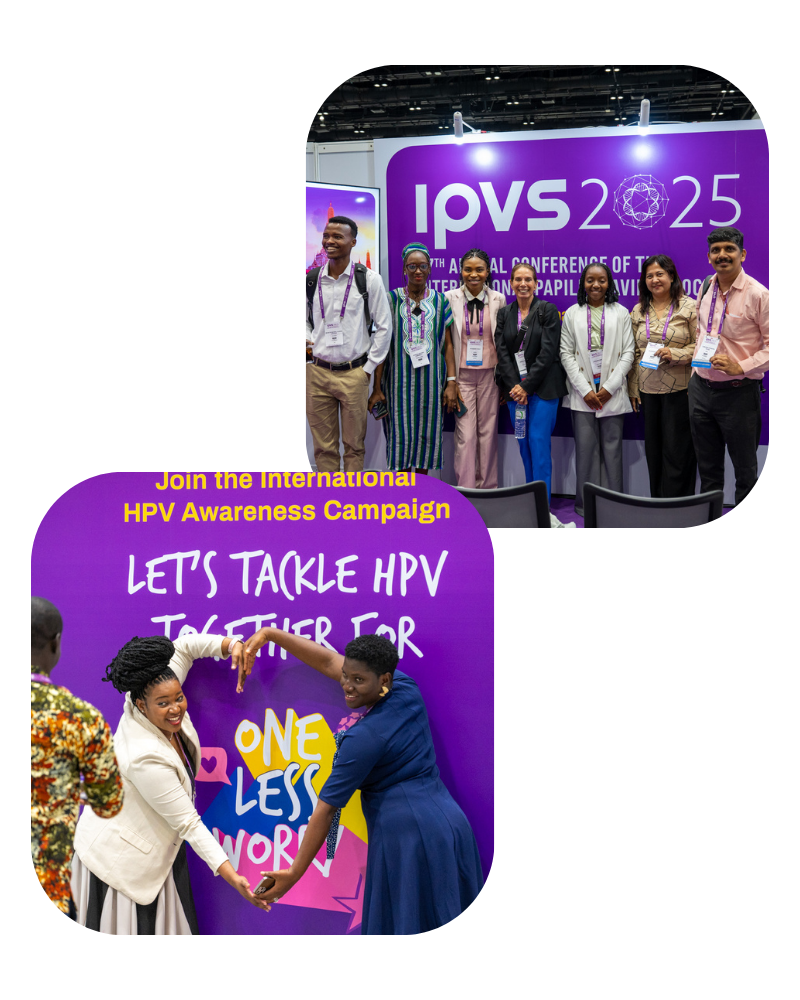
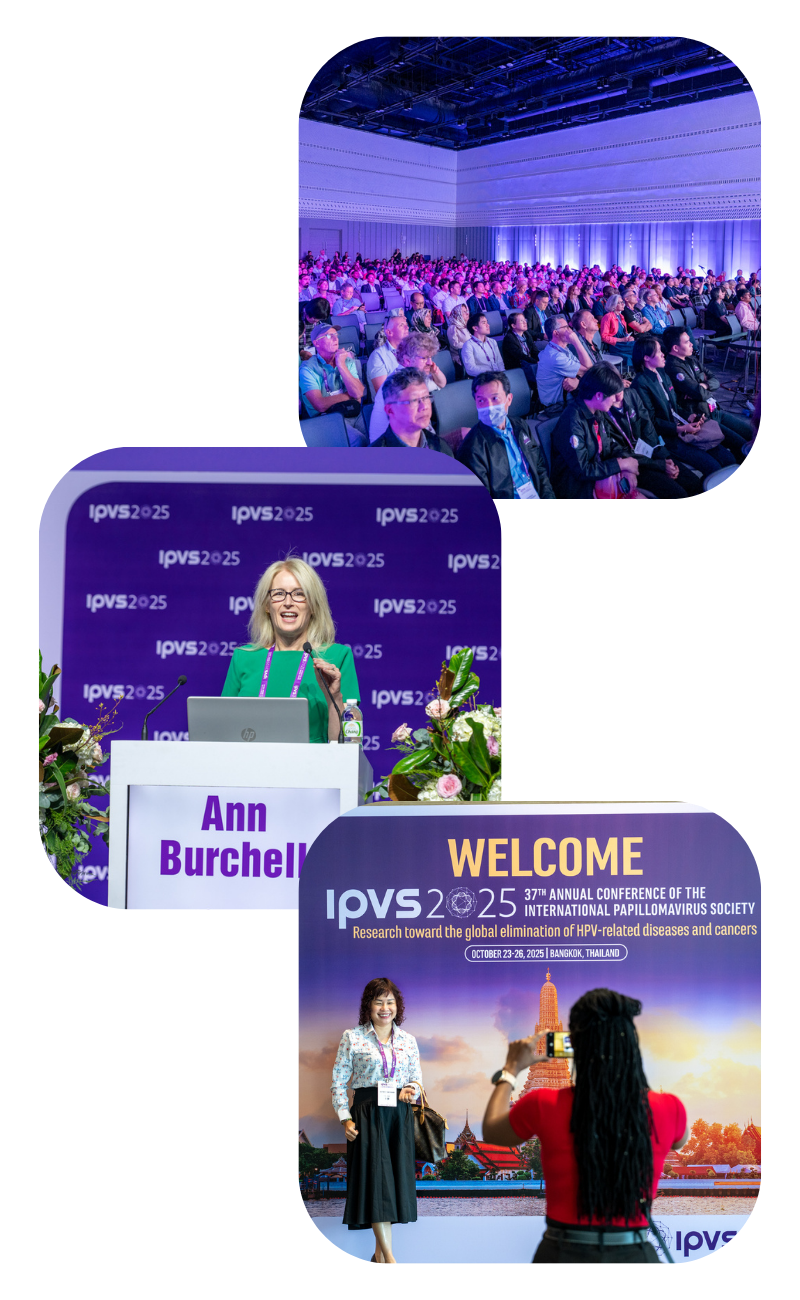
Strategy and Approach
In response, IPVS implemented a coordinated set of initiatives designed to improve accessibility, strengthen regional outreach, and increase the long-term value of membership.
A cornerstone of the strategy was the launch of the Country Ambassador Program in 2023. Ambassadors acted as local champions in underrepresented countries, promoting IPVS membership, supporting applications, and helping new members integrate into the community. This community-driven model proved particularly effective in Africa and Asia.
To address financial barriers, IPVS introduced a tiered membership structure, including a dedicated low- and lower-middle-income country category. This significantly expanded access for researchers and clinicians in priority regions. Membership options for early career researchers and students were also strengthened, supported by an expanded mentorship programme, awards, workshops, and the active Early Career Researchers Committee.
Conferences played a strategic role in recruitment. Discounted packages combining conference registration and membership helped convert attendees into long-term members, with the 2023 and 2025 conferences serving as major growth drivers. Group memberships were introduced to allow institutions and research teams, particularly in Africa and Asia, to join collectively, improving efficiency and affordability.
Targeted, year-round communication campaigns supported recruitment and retention, addressing current members, lapsed members, and new prospects with tailored messaging. Educational programming across webinars and conferences ensured balanced representation of all scientific disciplines, reinforcing the value of membership beyond events alone.
Implementation and Monitoring
The initiative was rolled out in phases. Foundational elements, including the mentorship programme and new membership categories, were introduced in 2022. In 2023, the Country Ambassador Program and conference-linked recruitment were launched. Growth efforts continued through 2024 with increased focus on Latin America, and in 2025, the strategy was consolidated, resulting in record membership numbers. Preparations for future European expansion were initiated in parallel.
Progress was closely monitored through quarterly membership reports, renewal tracking, regional and category analysis, campaign performance metrics, and regular feedback from the IPVS Membership Committee. This allowed the Society to refine tactics year by year and allocate resources where impact was greatest.
Results and Impact
By 2025, IPVS reached a record 1,529 members, surpassing its previous high. Africa and Asia became the Society’s two largest regions, with 381 and 385 members respectively. Countries such as Ghana and Bangladesh emerged among the top membership contributors, reflecting the success of targeted regional strategies. Latin America also showed steady growth, leading to the establishment of a dedicated regional task force.
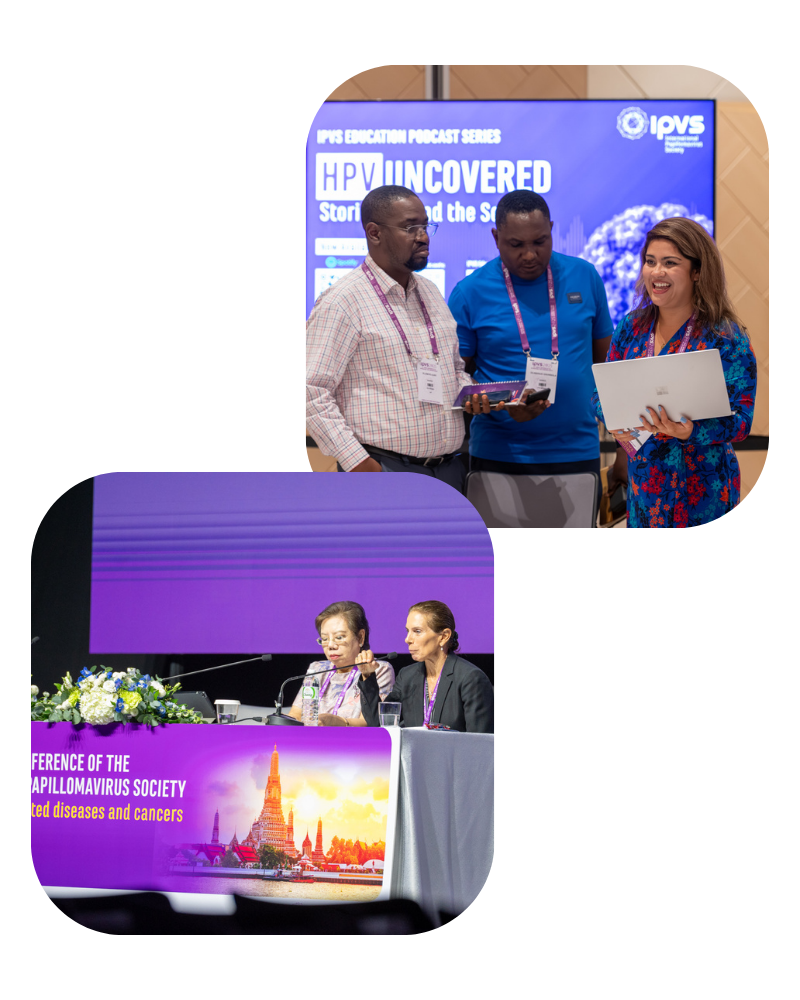
Early career researchers and student membership grew consistently, supported by mentorship programmes, workshops, awards, and active committee involvement. Global representation strengthened, with all world regions appearing among the top 20 member countries, and balanced participation across scientific disciplines was maintained, with public health and epidemiology remaining the leading track.
While renewal rates improved compared to previous years, IPVS continues to focus on further strengthening retention as part of its long-term strategy.
Conclusion
The IPVS membership growth initiative demonstrates how a clear strategic vision, combined with inclusive policies, localised outreach, and data-driven decision making, can build a resilient and truly global scientific community. By lowering financial barriers, empowering regional ambassadors, investing in early career development, and aligning membership recruitment with educational and conference activities, IPVS achieved sustainable growth without compromising diversity or scientific balance.
The initiative has strengthened IPVS’s global position, created a scalable model for future expansion, and secured a strong foundation for continued engagement across regions, disciplines, and career stages. The lessons learned offer a replicable framework for other international membership-based organisations seeking long-term, inclusive growth.