
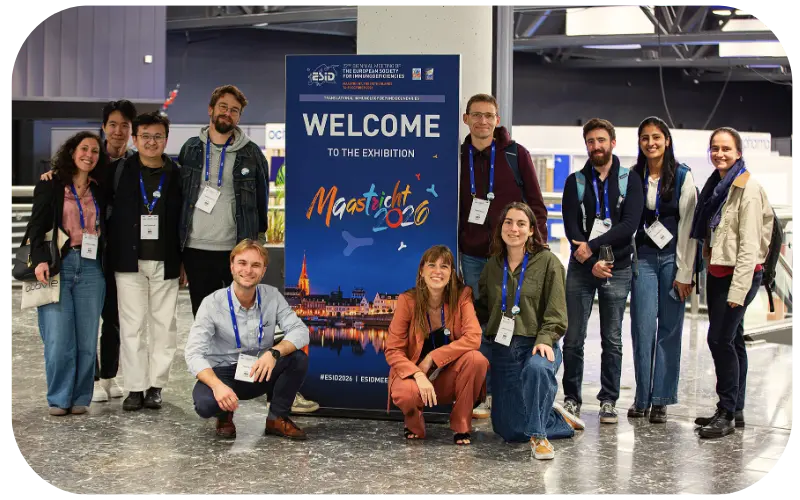
How Kenes Group worked with ESID to turn the expertise, infrastructure and regional reach of its biennial international congress into an impact beyond its traditional delegate community.
The Opportunity
Conferences travel around the world. Experts arrive, knowledge is exchanged, connections are made and, a few days later, everyone leaves. But what if the presence of all that expertise could create something lasting for the healthcare professionals and patients surrounding the host city?
At ESID 2026 in Maastricht, the European Society for Immunodeficiencies saw an opportunity to extend the value of its congress beyond those who would normally attend an ESID Meeting.
Maastricht was particularly well placed for this. Located within less than three hours by train of much of the Netherlands and Belgium, and accessible from northwest Germany, the congress brought leading immunodeficiency expertise within reach of a much wider regional clinical community.
The question was simple: How could ESID use the presence of its experts to leave valuable knowledge behind?
The Challenge: Reaching the clinicians who make the critical referral.
For patients with inborn errors of immunity (IEI), an immunodeficiency specialist is rarely the first doctor they see. The first point of contact may instead be a paediatrician, infectious diseases specialist, oncologist, rheumatologist or another clinician, while diagnostic laboratory professionals can also play an important role in recognising an unusual pattern. That matters because these are rare diseases, and the warning signs are not always obvious.
A patient may present with recurrent infections. Another with unusual inflammation. Others may have unexpected relapses, respond to treatments differently, or have a combination of symptoms that simply do not fit the expected clinical picture. Some patients can live for years without receiving a full diagnosis.
The challenge for these healthcare professionals is not to become immunodeficiency experts themselves. It is to know when to suspect something more, what to screen for and when to refer the patient to specialist care.
That created an audience ESID needed to reach precisely because they would be unlikely to attend the main ESID Meeting.
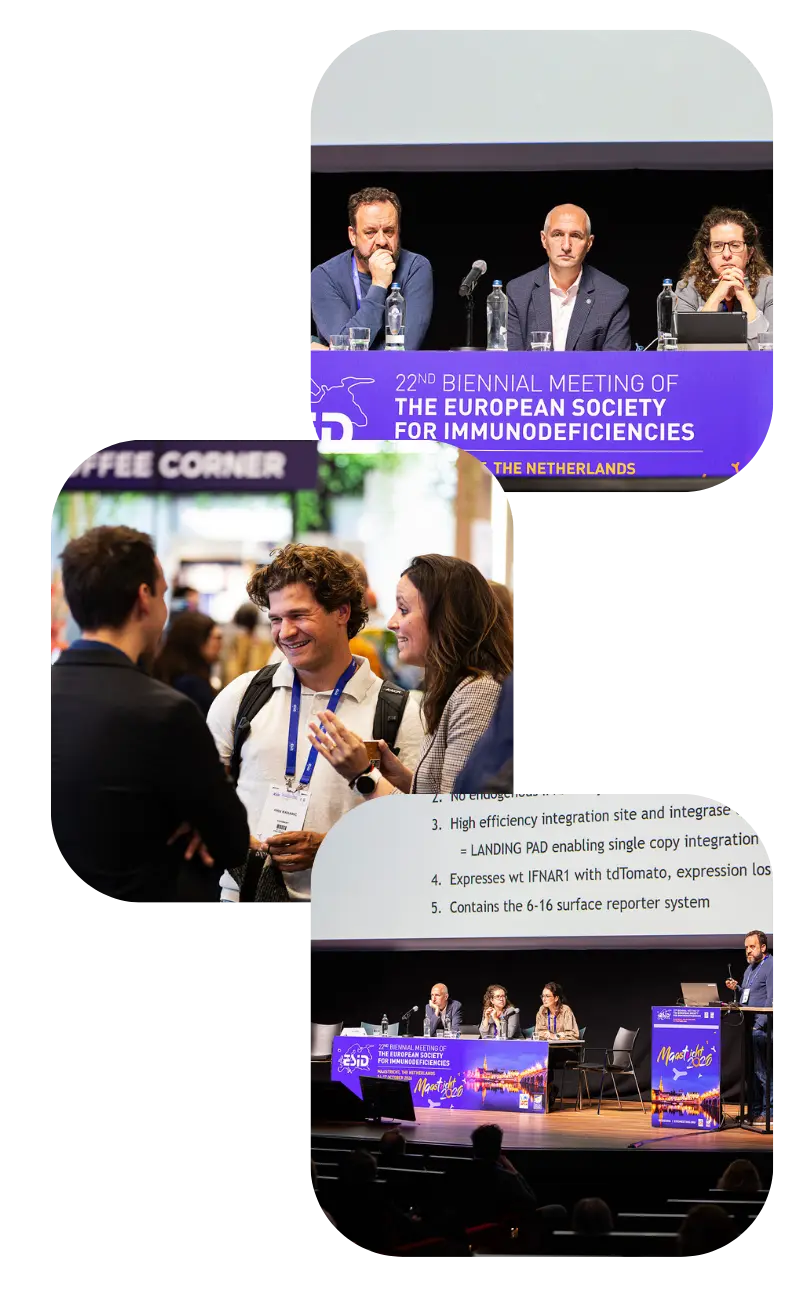
The Idea: Spot. Screen. Support.
ESID took advantage of something that already existed: a remarkable concentration of immunodeficiency expertise in one place.
Alongside ESID 2026, the Society’s local organising committee created a dedicated one-day course for clinicians and diagnostic laboratory specialists who encounter these patients before they reach specialist immunodeficiency services.
The objective was deliberately practical:
- Help healthcare professionals spot the warning signs, screen appropriately and support patients towards the right referral and specialist care.
- Instead of expecting non-specialists to come to an immunodeficiency congress, ESID brought the relevant expertise to them.
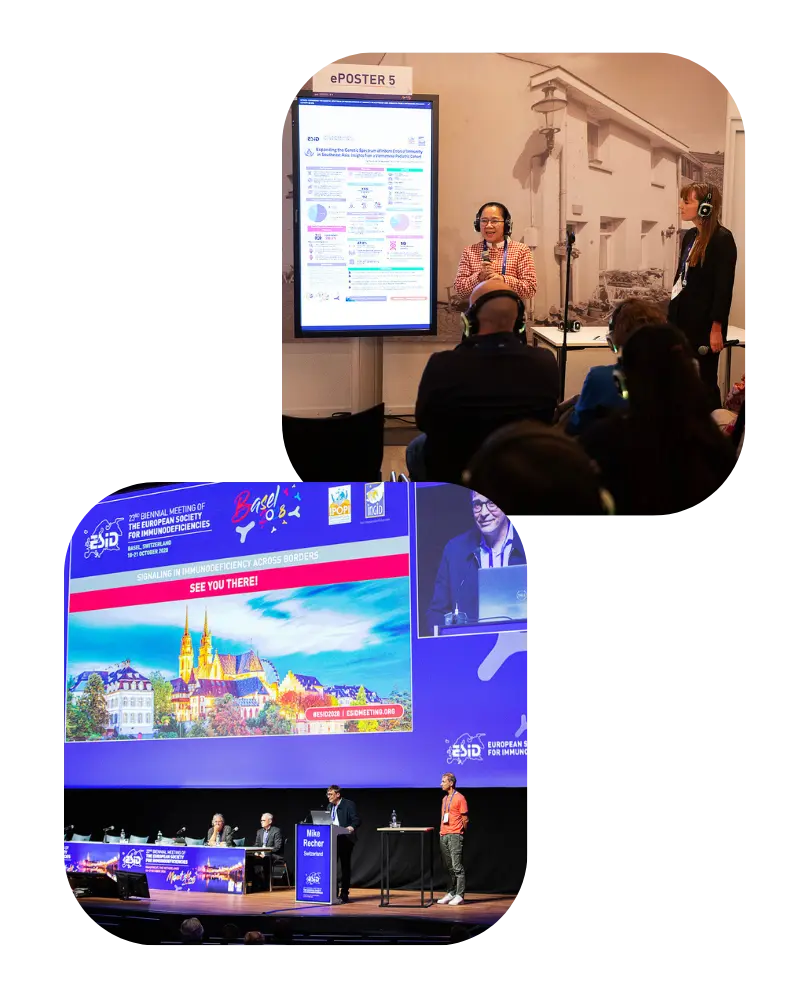
The Model: Building legacy into the congress itself
Importantly, the initiative did not require building a second event from scratch.
The course was designed around infrastructure and resources already in place for ESID 2026.
- Venue: An otherwise unused hall was activated on the first day of the Meeting.
- Catering: F&B requirements were incorporated into the wider congress operation.
- Faculty: The programme drew heavily on experts already travelling to Maastricht for ESID, with only a small number of additional speakers required.
- Marketing: Recruitment leveraged existing local medical association networks and the immunodeficiency community’s connections with referral hospitals in the surrounding region.
- Audience: The course focused deliberately on healthcare professionals outside ESID’s traditional congress audience.
This made the legacy initiative closely connected to the main congress rather than an independent project running alongside it.
On the initiation of the legacy programme, Ira Hajdamacha, Client Director at Kenes Group, reflected,
On the initiation of the legacy programme, Ira Hajdamacha, Client Director at Kenes Group, reflected, “A congress brings an extraordinary concentration of expertise to a destination, and we believe there is an opportunity to think beyond the traditional delegate audience. We are proud to have worked with ESID from the initial brainstorming through to delivering this course for the very first time, turning an idea about local impact into a practical part of the congress.”
The Outcome
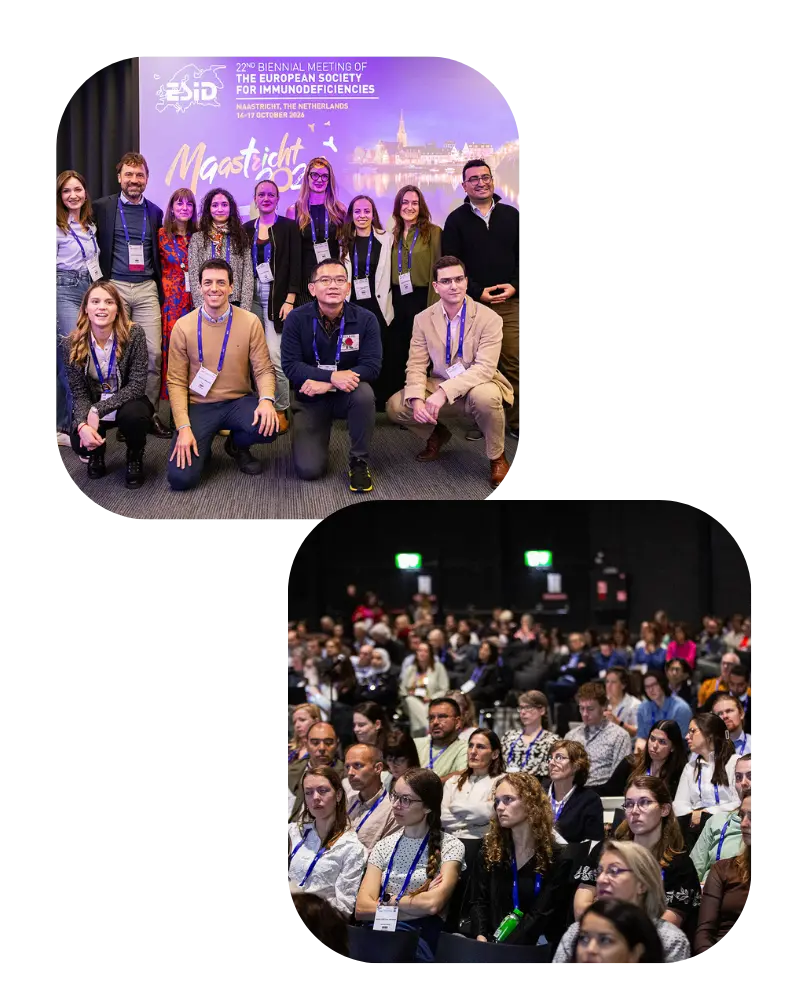
Almost 100 medical professionals from the Netherlands, Belgium and northwest Germany travelled to Maastricht specifically to take part in the course.
They did not need to become immunodeficiency specialists. Instead, they returned to their hospitals and clinical settings better equipped to recognise when a patient might need further investigation, screening or referral. They also had the opportunity to build connections with immunodeficiency specialists in the region.
And that is where the potential legacy extends beyond the course itself. One day of additional education can influence clinical decisions long after the congress has left the city.
- A clinician recognising an unusual infection pattern.
- A paediatrician questioning why a child keeps returning with recurrent infections.
- A laboratory professional recognising results that deserve further investigation.
- A patient reaching specialist care earlier because someone knew when to refer.
A different way to think about congress legacy.
Congress legacy is often discussed in terms of economic impact, sustainability or community engagement. ESID 2026 demonstrates another possibility: Knowledge itself can be the legacy.
International congresses temporarily bring together concentrations of expertise that would be extremely difficult to recreate locally. The opportunity is to ask who else in the surrounding region could benefit from access to that expertise while it is there.
For medical and scientific congresses in particular, that can mean looking beyond the traditional delegate:
- Who encounters the same patients but would never normally attend this meeting?
- Who needs enough of our expertise to make a better decision, even if they do not need to become an expert?
- And what could we leave behind with them when the congress moves on?
In Maastricht, the answer was a one-day course.
The congress will move on to other locations, yet the expertise remained behind. Ultimately, patients’ lives will be improved.
Final Thoughts
For congress organisers, this may be the bigger legacy opportunity. Don’t limit yourself to asking what delegates will take home from a meeting, but also ask what expertise the meeting can leave behind in its host community.
Social Links
ESID website: https://esid.org/
ESID Conference: https://esidmeeting.org/
LinkedIn: https://www.linkedin.com/company/esidsociety/
Instagram: https://www.instagram.com/esid_society/
Facebook: https://www.facebook.com/ESIDmeeting
YouTube: https://www.youtube.com/@ESIDSociety